

Rubona
NAEB
Mib01
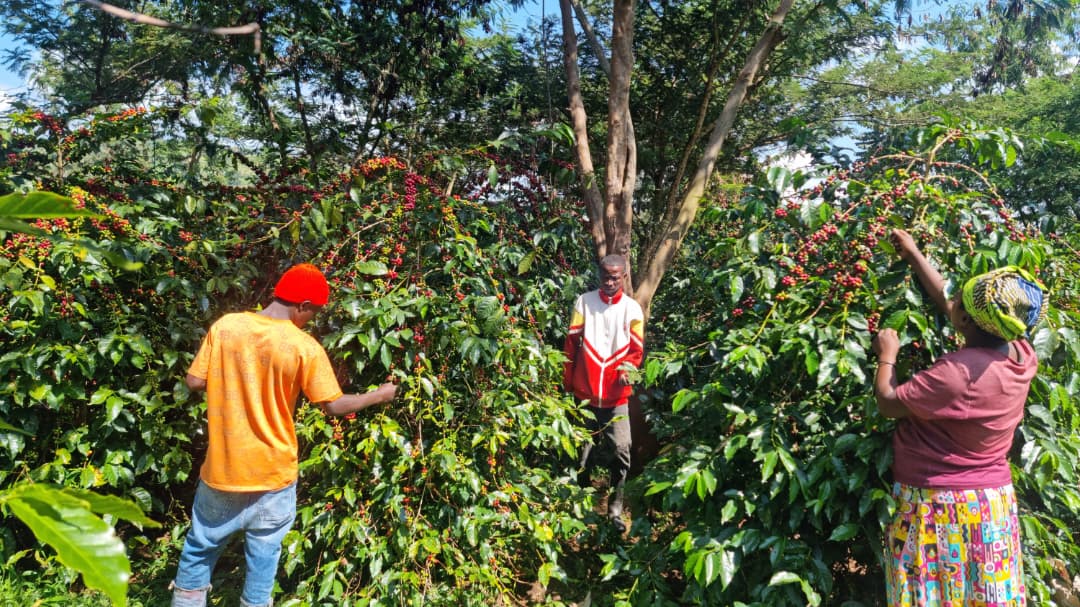
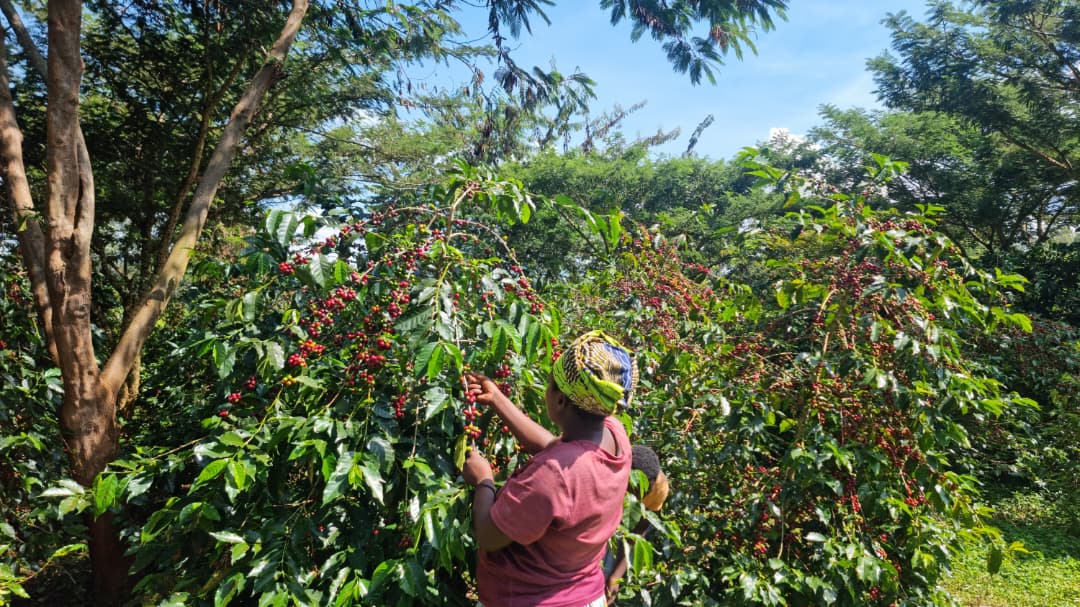
This lot comes from the RAB Rubona research station in Huye District, at 1,666 metres above sea level - the same station where Mibirizi, Rwanda's oldest Arabica variety, was studied and selected in the 1950s. The plot is one of seven experimental sites established in 2021 under the JICA Coffee Value Chain Strengthening Project (CUP2) to evaluate the productivity, cup quality and disease resistance of Mibirizi. Rubona's sandy, phosphorus- and potassium-rich soils made it the highest-yielding site in the trial, reaching 6.93 kg/tree in 2026. Only deep-red ripe cherries were picked and processed under the official Mibirizi Processing Protocol: flotation, pulping, controlled fermentation, washing and slow drying on raised beds, preserving the variety's large beans and clean, delicate character.
General Information
About the Farm
Mibirizi is Rwanda's oldest coffee variety. Named after the
Mibirizi Mission in the south-west of the country, it was the first
Arabica cultivar introduced in the early 1900s and spread across
the hills of Rwanda and Burundi long before any other variety. It
was studied at Rubona in the 1950s, then gradually pushed aside:
prized for its exceptional cup and unusually large beans, but
highly susceptible to leaf rust and coffee berry disease, it lost
ground to hardier selections and nearly disappeared from Rwandan
farms.
This lot is the result of a deliberate effort to bring it back.
Since 2021 JICA Rwanda and the Rwanda Agriculture and Animal
Resources Development Board (RAB) have managed the Rubona plot as
one of seven Mibirizi experimental sites under the JICA CUP2
project, with a resident field officer, regular agronomist visits
and a full annual care calendar: three splits of NPK fertilizer, 15
litres of organic manure per tree, liming, mulching before the dry
season, shade held near 40 percent, pruning after harvest, and
fortnightly scouting and controllong antestia bug and leaf
rust.
Rubona now carries the variety forward for the whole country. The
station has been designated the mother seed garden for Mibirizi,
and the seed it produces will supply the certified nurseries that
put this coffee back into farmers' hands.
