


Kayumbu CWS
Rwacof Exports Ltd
29
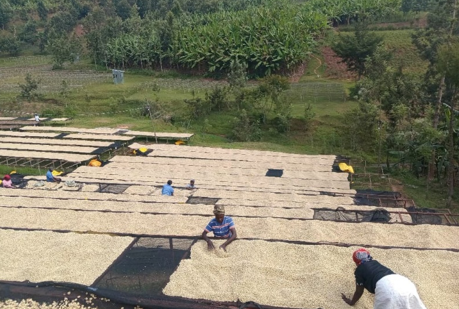
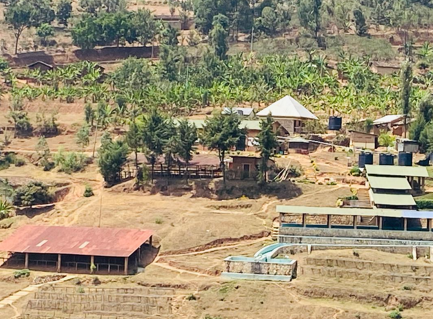
At 1,756 meters above sea level, this Arabica lot from Kayumbu, Kamonyi District, represents coffee carefully cultivated by NTIVUGURUZWA Didas and processed at Rwacof Kayumbu Washing Station. The cherries undergo rigorous sorting, beginning with flotation to remove lower-quality cherries, followed by visual inspection for defects. After pulping with a Pinhalense pulper, the parchment is fermented for 12 hours before being washed and dried on raised beds. During drying, regular sorting and sifting help ensure even drying and consistent quality. The result is a fully washed coffee with a Magnificently flavored with sharp acidity, well defined chocolate aroma characteristics with creamy and vanilla flavors which are well balanced with. These characteristics make the lot well suited to a single-origin offering while also adding complexity when used in a blend. RFA/IMPACT certification further reflects the responsible production practices behind this coffee.
General Information
Sensory and Jury Scoring Summary
About the Farm
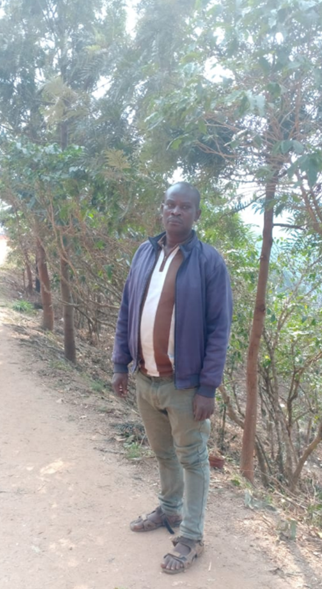
In Nyarunvinyinya Village, Gaseke Cell, Kayumbu Sector, Didas
Ntivuguruzwa’s journey with coffee began in 2012, when his
parents gave him 220 coffee trees. What started with a small number
of trees gradually grew into a larger commitment as Didas saw the
opportunities that coffee could create for his family.
As his experience in coffee farming grew, Didas decided to expand
his farm by buying and planting 480 coffee trees more, bringing his
total to 700. He chose to invest in coffee because he saw it as a
crop that could generate a good income without requiring as many
resources as some other crops.
Coffee has also opened doors beyond the farm. As his coffee farming
progressed, Didas started a small business for his wife, giving her
an activity to manage while he focused on farming and providing the
family with another source of income during the coffee
off-season.
When their eldest child was finishing school, Didas began thinking
about how he could also benefit from the opportunities created by
coffee farming. He bought his son a motorcycle, which during the
coffee season could be used to transport coffee to the washing
station and, during the off-season, to transport passengers and
generate additional income. For Didas, these are more than separate
sources of income; they are opportunities that have grown from the
foundation created by coffee farming.
Didas also set himself a goal of reaching 1,000 coffee trees. To
achieve it, he bought additional land and planted another 300
trees. Although the new trees have not yet started producing, he
has already reached his goal of having 1,000 coffee trees.
Today Didas and his family view coffee beyond just a crop. It has
become a source of opportunity, allowing them to invest in their
home, support their children, create businesses, and build a
stronger future together
